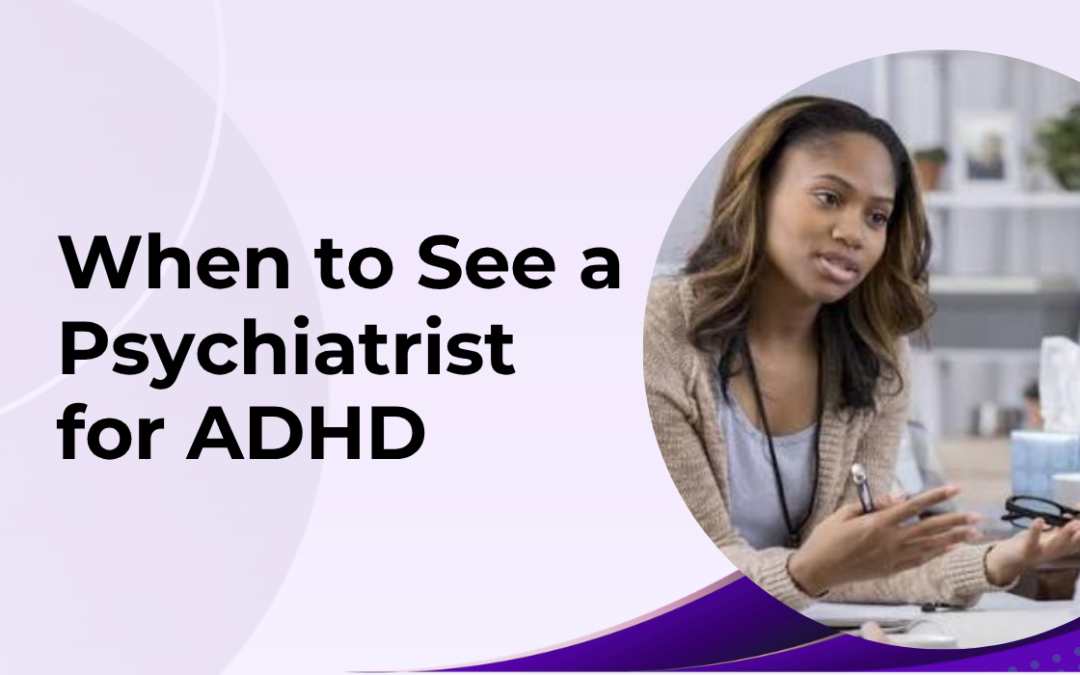
ADHD is a neurodevelopmental condition that affects attention, impulse control, and activity levels, and it shows up differently in children and adults. A psychiatric evaluation becomes necessary when symptoms start interfering with school, work, relationships, or daily routines in a way that self-management can’t fix. Many people live with undiagnosed ADHD for years, mistaking it for laziness or poor discipline. Recognizing the right time to seek help often depends on how much these patterns are actually costing someone.
According to Dr. Soumya Kamath, a leading Psychiatrist in Mumbai, “Missed deadlines and constant restlessness aren’t personality flaws; when they show up together for months, they’re usually a signal worth checking.”
What Signs in Adults Need Attention?
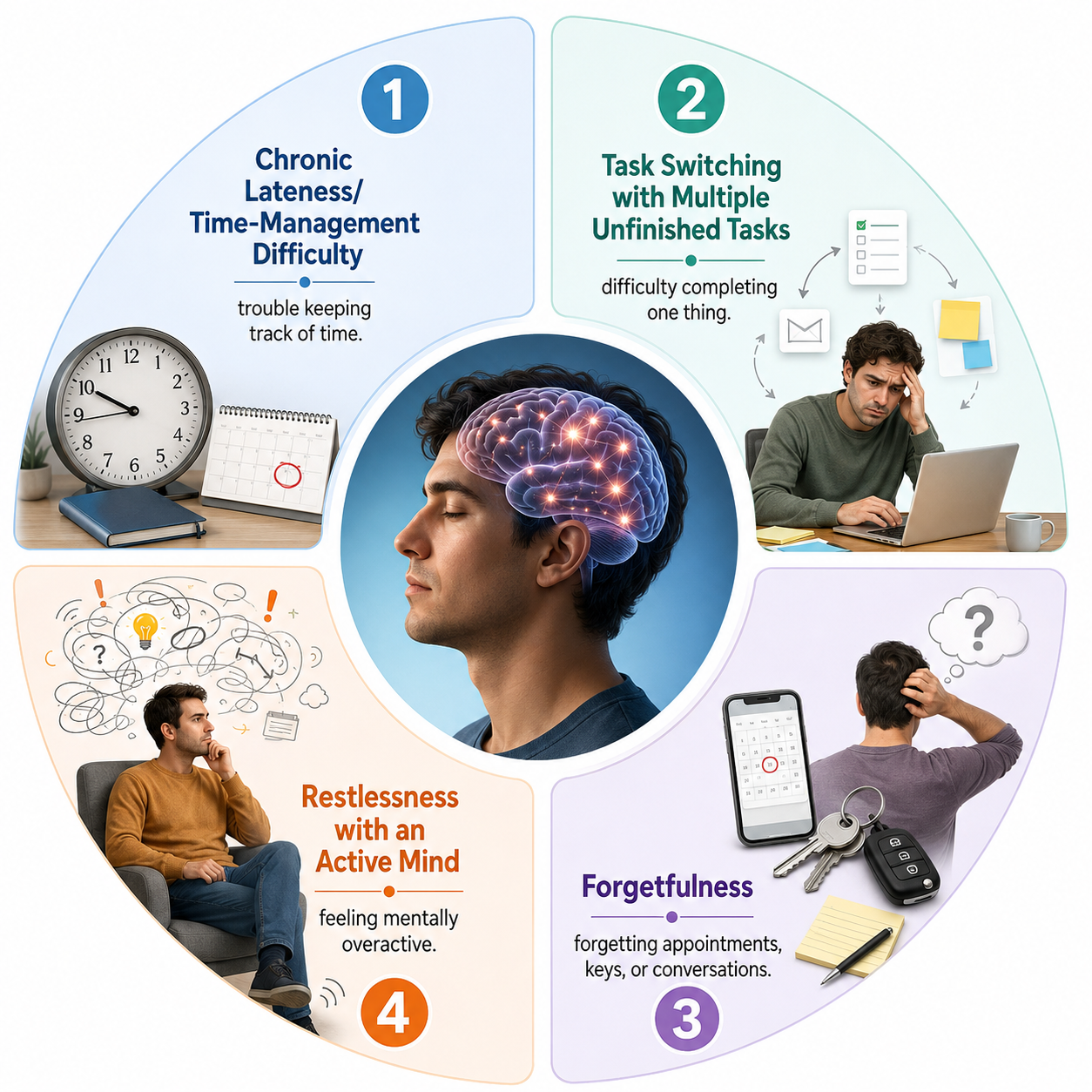
When these patterns show up across work, home, and relationships at once, that’s usually not just stress. Because ADHD and anxiety often overlap, ruling out anxiety treatment needs is part of a full evaluation.
What Signs in Children Should Parents Watch For?
Childhood ADHD looks different from the adult version and often surfaces first at school.
Inattention: The child loses track of multi-step instructions midway through, leaves schoolwork half-done, or drifts into daydreaming not because they don’t understand, but because sustained focus is genuinely difficult for them.
Hyperactivity: Sitting still feels physically uncomfortable. They fidget, tap, get up repeatedly, or find reasons to move around during lessons, mealtimes, and other situations that call for staying seated.
Impulsivity: They blurt out answers before a question is finished, interrupt conversations without realising it, and act on impulse in ways they often regret immediately after a pattern that repeats despite reminders.
Social Struggles: Friendships are harder to build and keep. Difficulty waiting for a turn, missing social cues, or reacting too quickly can leave other children confused or frustrated and the ADHD child genuinely unsure of what went wrong.
Teachers often notice these patterns before parents do, and that feedback is worth taking seriously. Related reading on symptoms of ADHD can help parents know what’s typical and what isn’t.
Why Choose Dr. Soumya Kamath?
Dr. Soumya Kamath is a Mumbai-based psychiatrist with an MBBS and MD in Psychiatry, trained at Dr. D. Y. Patil Hospital, Navi Mumbai, and has been practising since 2020. Her clinical experience spans outpatient consultations, psychiatric emergencies, and long-term bipolar disorder treatment and rehabilitation planning.
Patients who get diagnosed early typically avoid the repeated crises that come with untreated cycling. Catching the pattern sooner is what keeps life on track, not later.
FAQ's
Can adults be diagnosed with ADHD for the first time?
Yes, many adults are diagnosed well after childhood symptoms went unnoticed.
Is ADHD only about hyperactivity?
No, inattentive-type ADHD often has no visible hyperactivity at all.
Do all children with ADHD need medication?
Not always; treatment plans vary based on severity and individual needs.
Can ADHD be confused with anxiety?
Yes, restlessness and poor focus overlap significantly between the two.
References
- National Institute of Mental Health Attention-Deficit/Hyperactivity Disorder
- PubMed ADHD in Adults, Overview
Disclaimer: This blog is for general informational purposes only and does not replace personalised medical advice from a qualified psychiatrist.