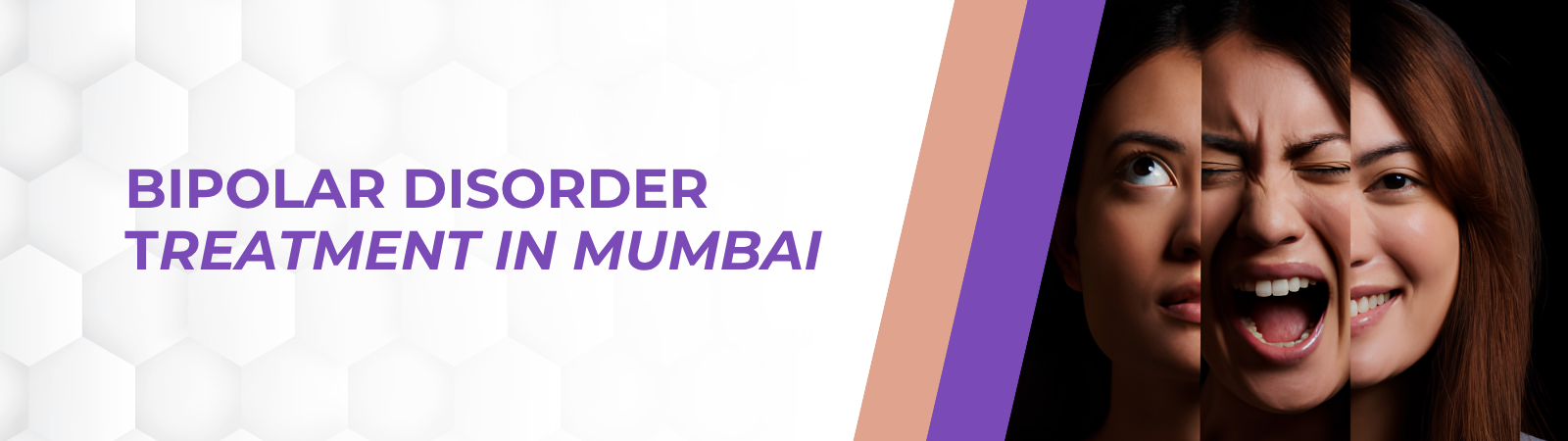
Bipolar Disorder Treatment in Mumbai
Bipolar disorder is a mental health disorder characterised by a person’s moods which swinging between highs and lows. The highs are called Mania or Hypomania, and the lows are called Depression. These shifts in mood can impact sleep, energy levels, behaviour, judgement & clarity of thought. If left untreated, bipolar disorder can interfere with relationships, work and daily life.
Dr. Soumya Kamath is a psychiatrist in Mumbai offering specialised bipolar disorder treatment for adults and young adults. She guides patients to understand their mood patterns and stabilise them through personalised treatment plans, with a calm and evidence-based approach.
Bipolar disorder is not a weakness or a flaw of character; it’s a treatable medical condition. With the correct diagnosis and continuous treatment, people with bipolar disorder can live a full, stable & meaningful life – Dr. Soumya Kamath, Consultant Psychiatrist, Mumbai
Schedule a Confidential Consultation with Dr. Soumya Kamath
Types of Bipolar Disorder
Bipolar Disorder is known to be a spectrum. The treatment is determined by what category the symptom profile falls under.
Bipolar I Disorder — Requires at least one manic episode for diagnosis, that lasts at least seven days or is so severe that the person needs hospitalisation. Depression may follow an episode of Mania.
Bipolar II Disorder — There are periods of subclinical depression and hypomanic episodes (which is a less severe form of mania/depression). In the periods between episodes, the individual doesn’t experience symptoms.
Cyclothymic Disorder (Cyclothymia) — The individual may present with milder episodes of hypomania and depressive symptoms, which alternate far more frequently and hence, make it a challenge to diagnose.
Other Specified and Unspecified Bipolar Disorders — When the symptoms are similar but do not completely fit the above-mentioned categories.

A well-designed treatment plan is based on a lot of factors ranging from an individual’s demographic data, no of episodes, severity, and the type of Bipolar disorder.
Signs and Symptoms of Bipolar Disorder
The symptoms differ depending on the phase of the illness.
A person experiencing a manic/hypomanic episode may:
- Be elated, excited or irritable.
- Decreased need for sleep.
- Can talk continuously or jump between ideas in conversation.
- Make impulsive decisions (financial, sexual, social)
- Feel overly confident or invincible,
- Become easily distracted
During a depressive episode, a person may feel:
- Excessively sad, low or hopeless throughout the day
- Become uninterested in hobbies they used to enjoy,
- Changes in appetite or weight.
- Get too much or too little sleep
- Feel fatigued or slowed down
- Have trouble focusing or making decisions
- Feel suicidal or have self-destructive thoughts.
If these patterns occur regularly and interfere with functioning, professional assessment is crucial & helpful.
How Bipolar Disorder Affects Daily Life
Bipolar disorder doesn’t just affect one’s mood. It subtly influences almost every aspect of an individual’s daily life.

- Relationships: Partners, family and friends may misread the emotional ups & downs as recklessness or withdrawal.
- Work: Concentration, motivation and energy levels are unpredictable and may ve harmful for work and studies. Common issues are missed deadlines, conflicts, and extended absences.
- Physical health: Mental health effects are not the only ones, as sleep patterns, eating habits, and routines may also become disrupted, which can lead to other health issues such as diabetes, heart disease, and substance abuse disorders.

- Finance: During a manic episode, finances may be impacted because of impulsive spending or risky choices that seem warranted at the time.

- Self-esteem: It can diminish over time, particularly if there is a feeling of guilt, regret, or loss of control after each episode.
These ripple effects can be long-term setbacks if not treated appropriately.
Talk to Dr. Soumya Kamath about your symptoms
When Should You Seek Bipolar Disorder Treatment in Mumbai?
If you or someone you know:
- Has mood swings that last for many weeks
- Has fluctuating energy levels; is irritable on minimal provocation
- Struggles with relationships, work, or studies due to mood changes
- Engages in impulsive or risky behavior during high phases
- Feels hopeless or withdrawn during low phases
- Has suicidal thoughts
Early intervention can stop the escalation, decrease the number of episodes, and safeguard the mental and physical well-being in the long run.
How Is Bipolar Disorder Diagnosed?
It’s important to carefully evaluate the patient to make a diagnosis of bipolar disorder because the symptoms can overlap with depression, anxiety, ADHD, and other psychiatric disorders.
Dr. Soumya Kamath has a systematic approach to diagnosis:
- Detailed Clinical Interview: Comprehensive discussion of mood history, symptom patterns, family history, sleep, energy level, and behavioural changes.
- Mood and Symptom Tracking: The patient may be instructed to keep a mood chart or fill out validated screening questionnaires to look for cyclical patterns.
- Medical Evaluation: Some medical problems (thyroid disorders, neurological problems) and medications can cause symptoms similar to bipolar disorder. Where necessary, appropriate tests may be advised.
- Diagnosis and Treatment Planning: After diagnosis, a treatment plan is developed that is tailored to the person’s specific needs and the nature of their bipolar disorder and its severity.

Dr. Soumya Kamath’s Approach to Bipolar Disorder Assessment and Care in Mumbai
- Evidence-based care: treatment plans are tailored to each patient.
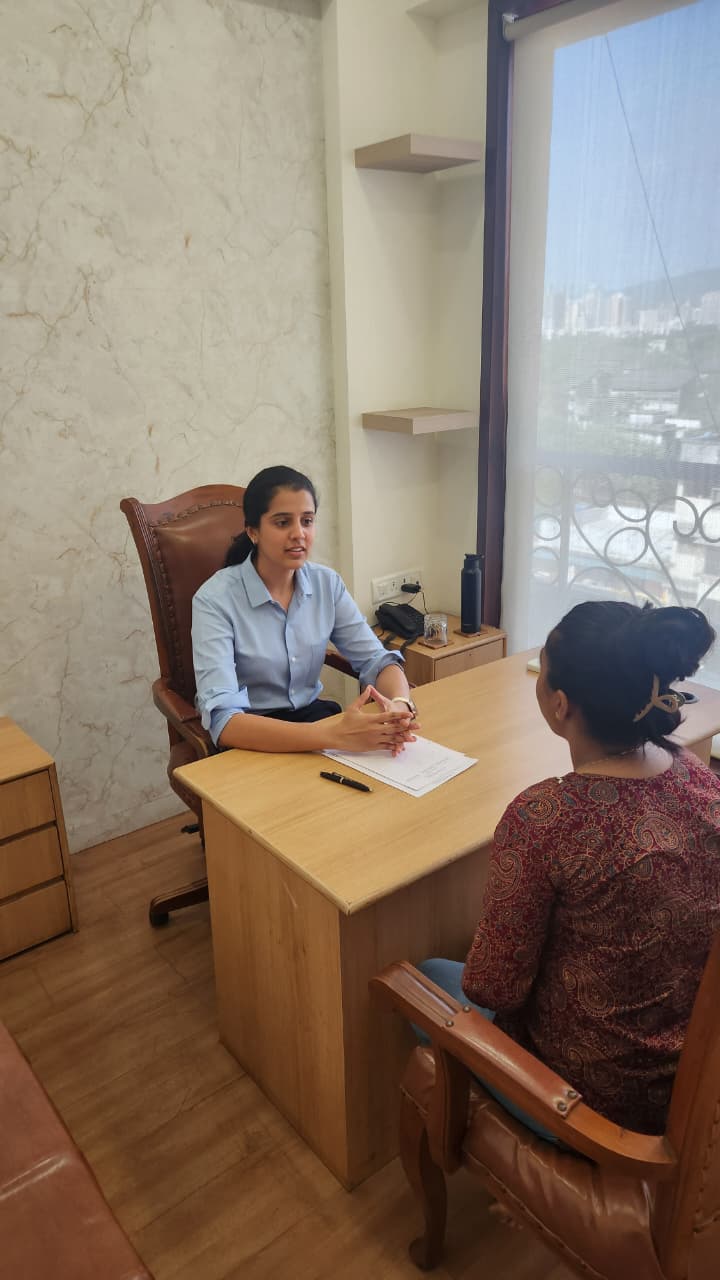
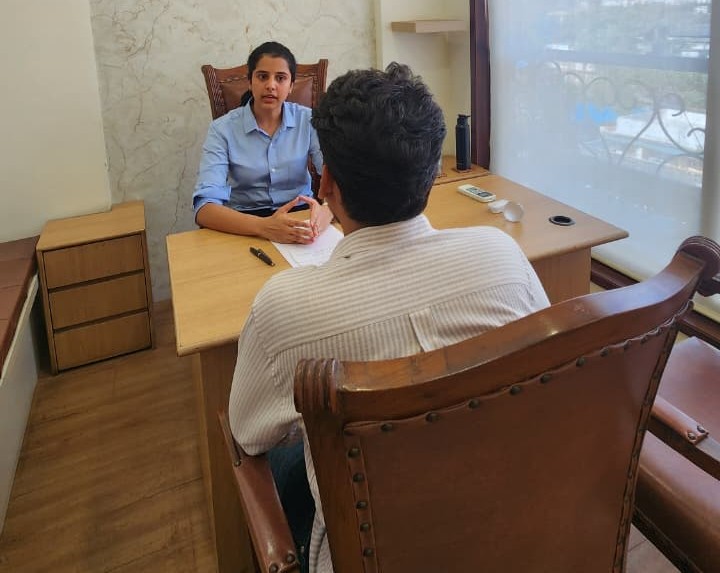
- Unhurried, respectful, and non-judgmental consultations: patients feel comfortable and supported.
- Holistic treatment approach: treatment addresses lifestyle, sleep, relationships, and family education.
- Continuity of care: follow-ups and long-term monitoring ensure patient stability and confidence in treatment
To know more about Dr Soumya Kamath and her approach to treatment, read About Dr Soumya Kamath or check out other services offered by Dr Soumya Kamath, such as Depression Treatment, Anxiety Treatment, and Schizophrenia Treatment.
Our Multispeciality Centers

Get Directions
Timings
Sunday : Closed
Specialities
Psychiatrist
Get Directions
Timings
Saturday: 12pm to 6:30 pm | Sunday : Closed
Specialities
Psychiatrist
Our Videos
FAQs
1. Is there a cure for bipolar disorder?
Bipolar disorder is a chronic illness, but it can be well-controlled. Most people can lead stable, full, productive lives with consistent treatment.
2. Does the person have to take medicine for the rest of their life?
Long-term medication may be helpful for many patients to prevent relapse; the type of medication, the dose, and the length of time it is taken are reviewed regularly. Treatment is always customised to the patient.
3. Can bipolar disorder be passed down?
It is also a genetically influenced disorder, and those with a family history of mood disorders are more likely to develop bipolar disorder. But it doesn’t mean that if someone in your family has bipolar disorder, you will too.
4. Is there a way to treat bipolar disorder with lifestyle changes?
Yes. Medical therapy is supported by sleep regulation, stress management, structured routines, and avoidance of alcohol and recreational substances.
5. How long will it take to see bipolar disorder treatment results?
Long-term stability takes months of treatment, treatment follow-up, and adjustments before the acute symptoms improve in a few weeks.
6. What is the difference between bipolar disorder and mood swings?
Long-term stability takes months of treatment, treatment follow-up, and adjustments before the acute symptoms improve in a few weeks.
7. What is the difference between bipolar I and bipolar II?
Bipolar I involves full manic episodes; bipolar II involves milder hypomania with depression. Dr. Kamath assesses the type to plan treatment.
8. Can bipolar disorder be managed with medication alone?
Mood stabilisers are central, but combining medication with therapy, routine, and lifestyle management gives the best long-term stability.
9. Is bipolar disorder hereditary?
Bipolar disorder has a genetic component and can run in families, but family history does not guarantee someone will develop it.
10. Which doctor treats bipolar disorder in Mumbai?
A psychiatrist treats bipolar disorder. Dr. Soumya Kamath offers structured care at her Goregaon West and Kandivali West clinics in Mumbai.