When a child speaks late, avoids eye contact, struggles socially, or gets distressed by change, families often fear the worst. But autism isn’t an illness; it’s a neurodevelopmental condition that shapes how a person communicates, processes sensory input, behaves, and experiences the world. There’s no single sign that confirms it.
“Autism manifests differently in everyone,” says Dr. Soumya Kamath, a Mumbai-based psychiatrist. “A child not speaking or interacting with others isn’t, on its own, a sign of autism.”
Dr. Soumya Kamath at Mindspace Mental Wellness Centre in Kandivali West & Goregaon West, closely interacts with children, adults and families to evaluate autistic children, identify emotional and behavioral issues associated with autism, and suggest support accordingly. Her areas of expertise include assessment of communication patterns, social challenges, sensory sensitivities, and co-existing conditions like anxiety and/or ADHD. She gives clear answers and practical guidance to the families who ask the question, “Is Autism an Illness?”
What Is Autism Spectrum Disorder (ASD)?
Autism spectrum disorder is a lifelong neurodevelopmental condition that affects how a person communicates, interacts with others, processes information, and experiences their surroundings.
The word “spectrum” reflects the wide variation in autistic people’s strengths, experiences, and support needs. Some communicate verbally and live independently, while others need substantial help with communication and everyday activities.
Autism is neither contagious nor caused by parenting style. It is a different pattern of brain development.
Why Is Autism Considered a Neurodevelopmental Condition?
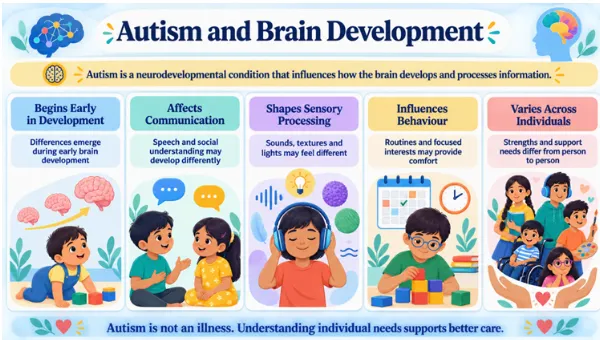
Autistic traits reflect differences in brain development and processing. They begin early in development, but may become clearer as demands increase.
Watch the video for Dr. Soumya Kamath Debunks Common Autism Myths for a clear explanation.
Is Autism a Mental Illness?
| Aspect | Autism | Mental illness |
| Nature | Neurodevelopmental condition | Condition affecting mood, thoughts, or behaviour |
| Onset | Developmental differences begin early in life | May develop at different life stages |
| Duration | Generally lifelong | May be episodic, ongoing, or responsive to treatment |
| Main focus | Communication, sensory processing, routines, and support needs | Emotional distress, psychological symptoms, and daily functioning |
| Care approach | Individualised developmental support and accommodations | Psychotherapy, medication, lifestyle support, or combined treatment |
Could everyday behaviours carry meaning? Let’s explore common patterns.
What Are the Common Signs of Autism?
- Differences in Social Communication
- Difficulty Understanding Social Cues
- Repetitive Behaviours or Movements
- Strong Preference for Routines
- Sensory Sensitivities
- Highly Focused Interests
- Differences in Verbal and Non-Verbal Communication
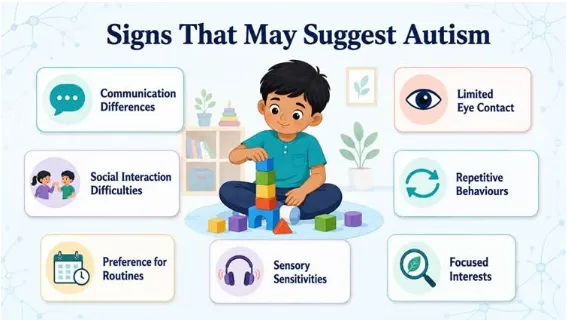
Autism presents differently from person to person. Some individuals may have noticeable communication differences, while others may primarily experience sensory, social, or behavioural differences.
How Is Autism Diagnosed?
No blood test or brain scan diagnoses autism. Assessment involves developmental history, observation, discussion, and recognised tools. Language, learning, attention, sensory needs, and mental health may also be reviewed.
The psychiatrist may also coordinate with psychologists, speech therapists, occupational therapists, or developmental specialists when appropriate.
Can Autism Occur Alongside Mental Health Conditions?
Yes. Autistic people may also experience anxiety, depression, ADHD, sleep difficulties, or obsessive-compulsive symptoms. These concerns deserve separate attention and suitable care.
Dr. Soumya Kamath shares that recognising these overlapping conditions matters because they may benefit from appropriate counselling, environmental adjustments, medication when clinically indicated, and continued support.
When Should You Consider an Autism Assessment?
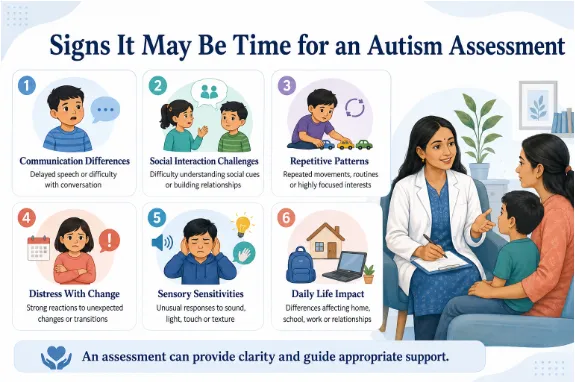
Consider it when communication differences, sensory sensitivities, repetitive behaviours, or difficulty with change affect daily life. Adults can also seek assessment if they have spent years feeling different without understanding why.
Earlier identification can support timely guidance, but assessment remains valuable at any age.
What Support Is Available for Autistic People?
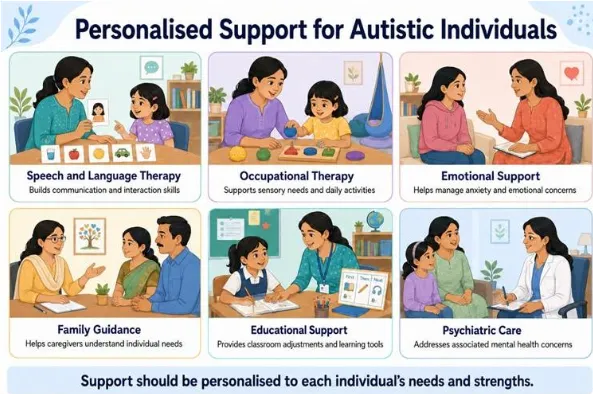
Support for autistic individuals can include therapies, educational assistance, family guidance, and specialist care tailored to their needs.
Anyone seeking autism assessment and support in Mumbai should look for an individualised, evidence-based approach rather than claims of a “cure.”