Both Autism Spectrum Disorder and ADHD are neurodevelopmental conditions. Both affect how a child focuses, behaves, and learns. But they’re not the same condition and treating them the same way doesn’t work. ADHD is primarily about impulse control and attention. Autism is about social communication, sensory processing, and how the child relates to routine and change.
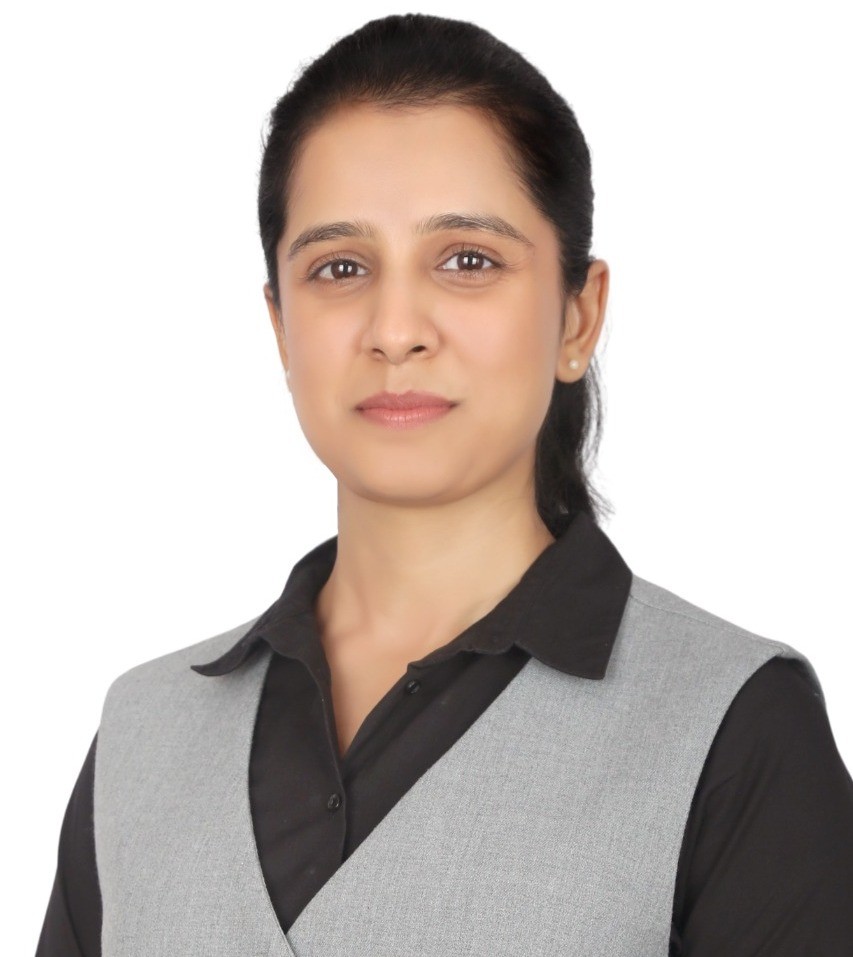
According to Dr. Soumya Kamath, Psychiatrist in Mumbai, “In clinical practice I regularly see children who’ve been assessed for one condition when both are present. The overlap in behaviour is real but the underlying mechanisms are different and so is the treatment.”
How Are Autism and ADHD Different in Children?
At a surface level the behaviours can look almost identical. A child who’s disruptive in class, struggles socially, or seems to zone out could fit either picture. The differences only become clear when you look at what’s actually driving the behaviour, not just what the behaviour looks like.
| Feature | Autism | ADHD |
| Core challenge | Social communication and behavioural flexibility | Attention regulation and impulse control |
| Eye contact | Often reduced or atypical | Generally typical |
| Repetitive behaviour | Present, clinically significant | Not a core feature |
| Sensory sensitivity | Common, often pronounced | Present in some, not a core feature |
| Social motivation | Often reduced or different | Usually present, struggles with execution |
| Routine | Strong need for sameness, distress when disrupted | Difficulty maintaining routines |
| Language | May be delayed or atypical | Typically develops on time |
| Impulsivity | Not a core feature | Central feature |
Take inattention as an example. A child with autism tunes out because the social environment is overwhelming, too much noise, too many unpredictable people, too much sensory input. A child with ADHD tunes out because their attention system works differently and sustained focus on a single thing is neurologically difficult. Same classroom behaviour. Completely different cause.
Sensory sensitivity follows a similar pattern. It shows up in both conditions but in autism it often drives a significant portion of the child’s distress, meltdowns, avoidance, rigidity around environments. In ADHD it’s present in some children but rarely sits at the centre of daily functioning the way it does in autism. When sensory overload is clearly the main driver, that shifts the clinical picture. A meaningful number of children meet criteria for both, so families already in an ADHD treatment assessment should ask whether autism has been considered alongside it.
What Signs Help Distinguish Autism from ADHD in Daily Life?
Two things are worth watching before a formal assessment. How the child connects with others. And what happens when their routine changes.
Social Behaviour
A child with ADHD usually wants to make friends. The desire is there. What gets in the way is impulse control. They interrupt, act before thinking, or miss social cues. A child with autism may not show that same desire to connect in the first place. One child wants to connect but struggles to. The other isn’t drawn toward it the same way. Parents usually notice this difference before anyone else does.
Routine and Change
Disrupt a routine for a child with autism and the distress can seem out of proportion. A different seat. A changed route. The wrong cup. It genuinely unsettles them. A child with ADHD struggles to keep routines but isn’t typically distressed when one changes. One needs sameness. The other just can’t maintain consistency. Both can look like behavioural issues from the outside but the reason behind them is different.
Language and Communication
ADHD doesn’t affect language development. A child with ADHD may talk a lot or jump between topics but their language develops on time. In autism, even a child who speaks well often uses language differently. The back and forth of conversation can be difficult. Words get used in unusual ways. Many children with these differences first get assessed for ADHD because that’s what’s most visible. Reading about autism in adults shows what happens when the right diagnosis takes years to arrive.
Why Choose Dr. Soumya Kamath for Neurodevelopmental Assessment
Dr. Soumya Kamath holds an MBBS and MD in Psychiatry from Dr. D. Y. Patil Hospital, Navi Mumbai and has been in active clinical practice since 2020. She was recognised with the Award of Excellence for Best Postgraduate Student in Psychiatry. She consults at Mindspace Mental Wellness Centre, Kandivali West and SM Diagnostics and Polyclinic, Goregaon West, seeing children, adults, and elderly patients across all age groups. Every assessment is built around the individual child with no standardised or copy-paste approach.
📞 Call Now: +91 7304066764
FAQs
Can a child have both autism and ADHD at the same time?
Yes, and it’s more common than most families expect. A proper assessment looks at each condition independently rather than assuming one rules out the other.
What is the most obvious difference between autism and ADHD in children?
ADHD is about attention and impulse control. Autism is about social communication, sensory processing, and how a child relates to change. The behaviours overlap a lot on the surface which is exactly why observation alone isn’t enough.
At what age can autism and ADHD be diagnosed in children?
ADHD is typically picked up from around age 4, though signs are often there earlier. Autism can be reliably diagnosed from 18 to 24 months with an experienced clinician.
Should I see a psychiatrist or a paediatrician for a diagnosis?
Either can be a starting point. A child psychiatrist is specifically trained to assess both conditions at the same time, which matters a lot when both are present — and that’s not unusual clinically.
REFERENCE LINKS
PMC — Autism Spectrum Disorder in Children: Early Signs and Therapeutic Interventions: https://pmc.ncbi.nlm.nih.gov/articles/PMC11592467/
PMC — Understanding Autism Spectrum Disorder: https://pmc.ncbi.nlm.nih.gov/articles/PMC8214927/
DISCLAIMER
This article is for informational purposes only and does not substitute professional medical advice.