](https://drsoumyapsychiatrist.com/wp-content/uploads/2026/06/image2-1080x675.png)
Depression does not necessarily manifest itself as sadness. A back pain that fails to calm down, a nagging headache, stomach upset, or a feeling of heaviness in the chest are all subtle indications of a mood disorder lurking in the background. It is estimated that almost two-thirds of depressed individuals consider physical symptoms to be their primary issue, and they tend to go through a variety of specialists before the actual problem is discovered. The brain tends to misinterpret signals which is why emotional distress very often gets transformed into physical symptoms.
Dr. Soumya Kamath, Psychiatrist in Mumbai, says, I have seen patients who after months of scans and taking pain medications to treat their chronic pain, did not perceive improvement. But with treatment of the underlying depression, the body has finally begun to heal.
How Depression Manifests as Physical Symptoms
Neurotransmitters such as serotonin and norepinephrine, control mood and the perception of pain. When their levels decrease, the ability of the brain to tolerate pain and regulate mood decreases as well. So, it starts with a little pain, fatigue feels heavier & sleep is unable to replenish you. The body then begins to scream what the mind is grappling to tell.
Tired of pain with no clear medical cause? Book a consultation with Dr. Soumya Kamath to explore whether depression is the hidden trigger.
Common Types of Physical Pain Associated with Depression
Depression can show up in the body in many ways, and the symptoms are rarely uniform across patients. Some are obvious. Others get dismissed as stress or ageing.
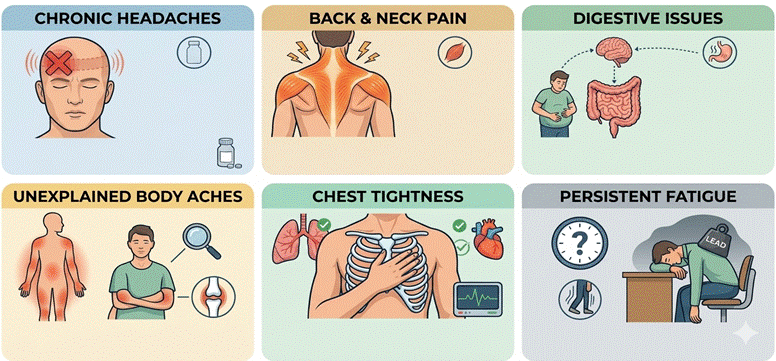
- Chronic headaches and migraines: Dull, persistent headaches and migraines that are not completely relieved by usual painkillers.
- Back and neck pain: The tension in the muscles due to the long-term low mood often seen in the upper back, shoulders and neck.
- Digestive issues: Bloating, IBS-like symptoms, nausea, and changes in appetite are closely related to the gut-brain axis.
- Unexplained body aches: Generalized pains, which can be confused with fibromyalgia or an exacerbation of arthritis.
- Chest tightness and breathlessness: This can be easily confused with cardiac or respiratory problems, which often times leads to individuals seeking a medical opinion to rule out heart/lung ailments.
- Persistent fatigue: Fatigue that cannot be relieved by sleep, accompanied by sore limbs and slowness.
When these symptoms appear alongside low mood or anxiety, the pattern becomes much clearer.
Watch this video to better understand the topic through expert insights and a clear visual explanation. It covers important symptoms, causes, and practical guidance in an easy-to-follow format. https://youtu.be/nqRJppKeY0Q?si=tefQogLlvRZ34WG5
Risk Factors That Increase Both Pain and Depression
This overlap affects some people more than it does others. Women, particularly during perimenopausal and the post-partum period, are at greater risk. It is often seen, associated with a past or a family history of depression, in chronic illness such as diabetes or thyroid disease, ongoing relationship stressors, childhood trauma, social isolation and with long term sleep deprivation. If left unaddressed, the physical pain and depression are likely to enter into a vicious cycle where escape can become challenging.
When to Suspect Depression Behind Physical Pain
When you have more than several weeks of persistent pain, which has not responded to conventional therapy, and when accompanied by a low mood, irritability, sleeplessness, loss of interest or loss of appetite, it is worthwhile to consider receiving a psychiatric assessment. Particularly, in cases where more than one investigation showed normal results.
Treatment Options
Dr Soumya Kamath evaluates the relationship between depression and pain thoroughly. There exists a simple approach to treat a seemingly complex problem. SSRI, SNRI, TCA antidepressants have the potential to alleviate both mood and chronic pain symptoms in a matter of weeks. Cognitive behavioural therapy assists the patients in redefining their association with pain. The plan is completed with lifestyle interventions, regular sleep schedules, exercise, and mindfulness. Combination therapy is quicker and provides us with sustained improvement as compared to any other method, used solo.
Are you willing to quit pursuing symptoms and begin tackling the underlying cause? Arrange a thorough depression assessment today.
When to Seek Professional Help.
Do not wait till things get out of hand. When pain is getting in the way of your work, sleep or relationships or emotional symptoms are beginning to creep in; it is time to see a specialist. Early intervention prevents the cycle from continuing further. Numerous patients wait years. Which eventually proves costly to them.
Diagnosis and Evaluation
The diagnosis begins with an elaborate clinical interview, which includes mood, sleep and appetite history, pain history and a deep understanding of daily routines and interactions. To exclude deranged lipids, sugars, thyroid values, B12 or vitamin D deficiencies, Dr Soumya Kamath can request blood tests. Depression severity can be measured with standardized screening instruments. These help us to understanding the presence and severity of the illness at hand before initiating treatment.
Get expert psychiatric care that treats body and mind together. Connect with Dr. Soumya Kamath for compassionate support today.
FAQs
Is it possible that a symptom of depression is physical pain?
Get expert psychiatric care that treats body and mind together. Connect with Dr. Soumya Kamath for compassionate support today.
What is the duration within which one may suspect depression?
Get expert psychiatric care that treats body and mind together. Connect with Dr. Soumya Kamath for compassionate support today.
Are antidepressants really effective in treating physical pain?
Yes, SNRIs, SSRIs, TCAs etc. are classes of medicines which show efficiency in treating depression as well as the chronic pain associated with it. They do so by restoring the balance between the neurotransmitters in the brain such as serotonin, norepinephrine etc.
Is it possible to treat depression-related pain solely through therapy?
Therapeutic modalities can be of great help; however, moderate to severe cases usually require a combination approach of medication with therapy and lifestyle modifications in order to achieve improvement.