

Early signs of schizophrenia in young adults often show up slowly, in a stretch called the prodromal phase, with small changes in behavior, thinking and social habits that can start months or even years before a first psychotic episode. Withdrawal, slipping performance, odd or suspicious ideas and broken sleep are the usual early changes. Most cases begin between the late teens and early thirties.
According to Dr. Soumya Kamath, an expert in schizophrenia treatment in Mumbai , “Families almost always notice something’s off long before anyone says the word psychosis, and that’s the stretch where treatment helps most.”
What Does the Prodromal Phase Look Like?
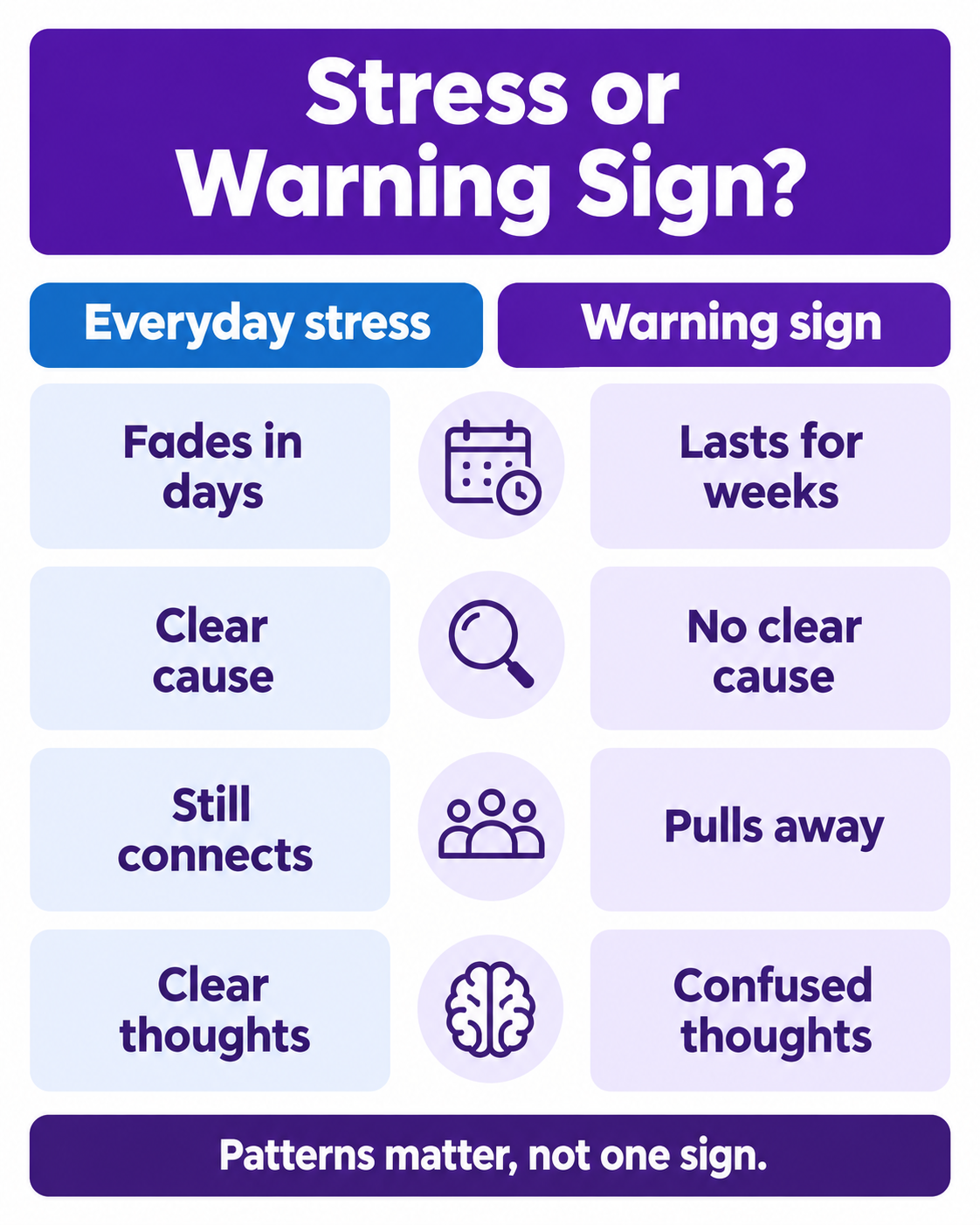
It creeps in, and it looks so much like stress or a bad patch that it gets missed for months.
- Withdrawal: The friend who answered every message now skips plans, lets calls ring out and stays in their room most of the day.
- Slipping: Marks fall or a steady job starts going wrong, and basics like eating on time or keeping clean quietly fade too.
- Strange ideas: Suspicion toward people they’ve known for years, speech that wanders off mid-thought, or a feeling that random events are somehow about them.
- Sleep: Nights and days swap places, or they barely sleep for several days running without seeming tired.
No single sign proves anything. A cluster lasting weeks does.
If these changes persist for weeks,it’s worth discussing them with with a psychiatrist and exploring schizophrenia treatment options.
When Should You See Each One?
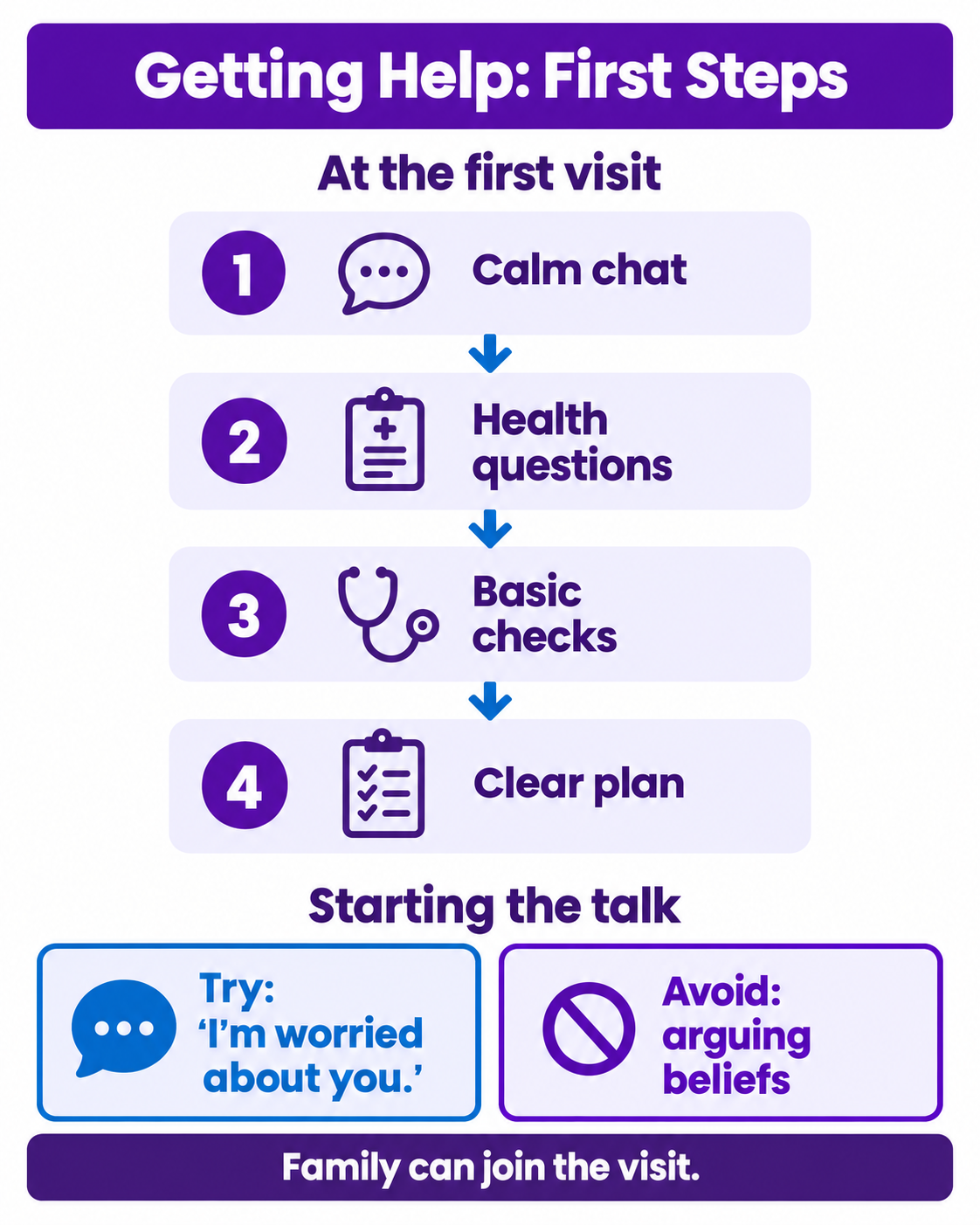
Earlier than most families think, because the sooner treatment starts, the fewer relapses tend to follow.
- Two weeks: If the change has hung around that long and the person just isn’t themselves, stop waiting for it to pass and seek professional help .
- Voices: Hearing things nobody else does, or being sure someone’s watching, is a reason to book this week, not next month.
- Safety: Talk of self-harm, or anything that puts someone at risk, means a doctor the same day.
- Family history: And a parent or sibling with schizophrenia shifts the odds enough that even small, nagging changes deserve an early look.
Cannabis and other drugs can affect the picture. A good evaluation always asks about them.
Mood episodes can resemble early psychosis, and the guide on bipolar disorder treatment explains the warning signs.
Why Choose Dr. Soumya Kamath?
Dr. Soumya Kamath did her MBBS at Jawaharlal Nehru Medical College and her MD in Psychiatry at Dr. D.Y. Patil Hospital.She has over six years of clinical experience treating psychotic, anxiety, and mood disorders, including bipolar disorder treatment. She received the Award of Excellence for Best Postgraduate Student in Psychiatry in 2023.
Families walk in frightened, mostly because nobody’s explained what they’re looking at. They walk out with a name for it and a plan. Because early cases do best with early care, she doesn’t offer vague reassurance. Call +91 7304066764 to book your consultation.
FAQ's
Could early schizophrenia be mistaken for depression?
Yes, both bring withdrawal and low energy, so a proper evaluation matters.
At what age does it usually start?
Late teens to early thirties, and often a bit earlier in men.
Can stress alone cause schizophrenia?
No, stress can trigger symptoms in vulnerable people, but it isn’t the sole cause.
Is early schizophrenia treatable?
Yes, starting early usually means better symptom control and steadier daily life.
References
- World Health Organization: Schizophrenia fact sheet
- National Institute of Mental Health: Schizophrenia
Disclaimer: This blog is for general informational purposes only and does not replace personalised medical advice.